How to choose top 10 first birthday gifts
First birthdays call for toys and gifts that match a baby's current abilities while encouraging new skills. On this page you'll find items grouped by activity and practicality — consider what the child already has, the family’s living space and which toys will get repeated use before choosing a gift.
Age and developmental stage
At around 12 months most children are pulling to stand, cruising and exploring with hands-on play. Look for gifts that support motor skills, simple cause-and-effect, early problem solving and sensory engagement rather than complex rules or tiny parts.
Household fit and space
Think about the recipient’s home — small flats benefit from compact, quiet toys, while larger homes can handle bigger activity sets or ride-ons. Battery-powered items may need storage and supervision; collapsible or multi-use toys are handy for limited space.
Repeat use and longevity
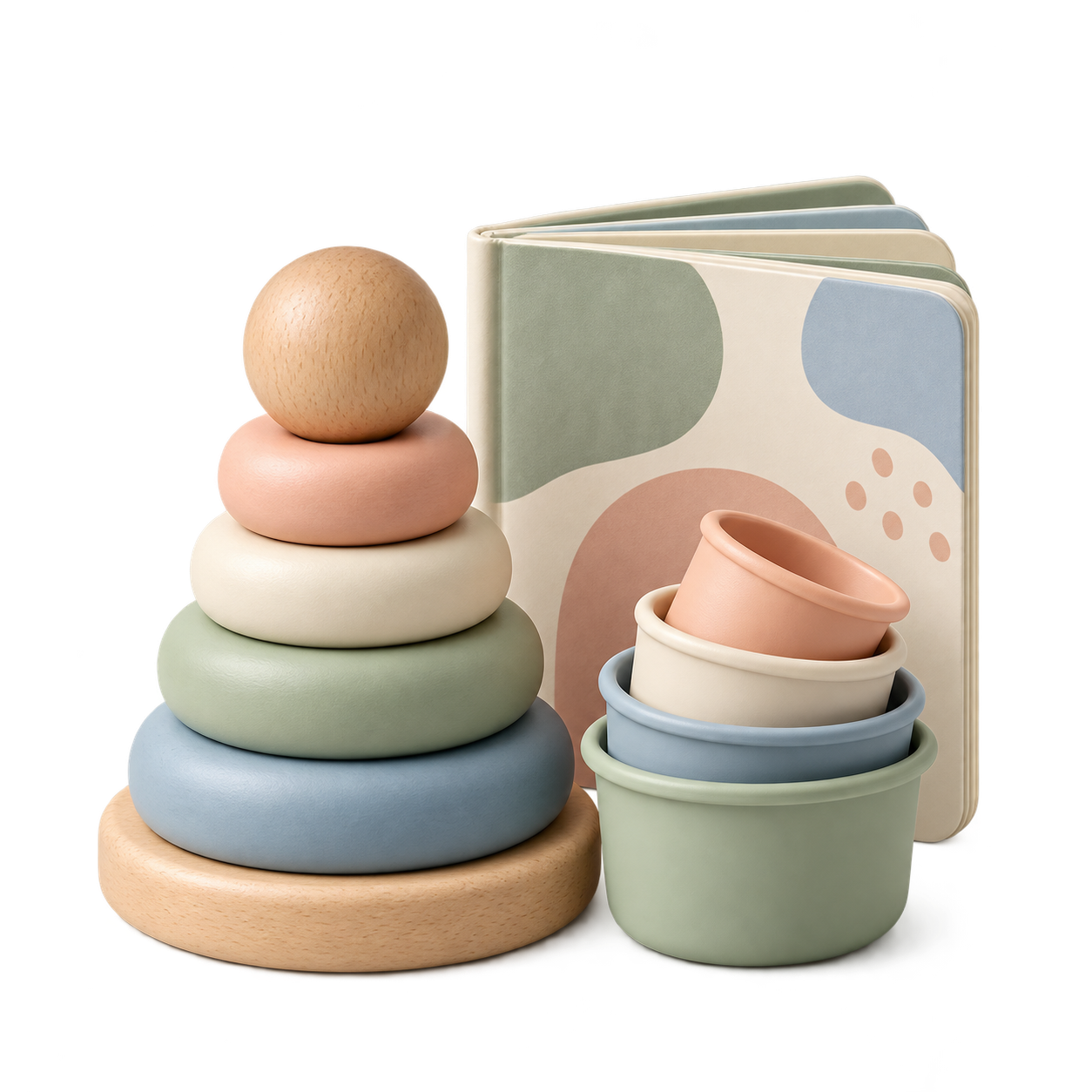
Choose toys with multiple play modes or that grow with the child to avoid single-use novelty. Classics like sturdy stacking, pulling toys, simple musical instruments or books with sturdy pages often stay engaging across several months.
Contents and choking risk
Check seller descriptions for parts and recommended age ranges; avoid items with small detachable pieces for one-year-olds. Look for clear information on dimensions and materials so you can assess if a toy is appropriate for mouthing and rough play.
Duplication and gift coordination
If you’re unsure what the child already owns, consider gifting consumables (books, bath sets) or coordinating with parents to avoid duplicates. Gift receipts and flexible return options help if the family already has the same item.
Seller and manufacturer details
Before buying, review the seller’s delivery estimates, return policy and warranty information. Product pages often list weight limits, recommended ages and cleaning instructions — those details help you choose a suitable, long-lasting gift.